

Why Study in the Netherlands?
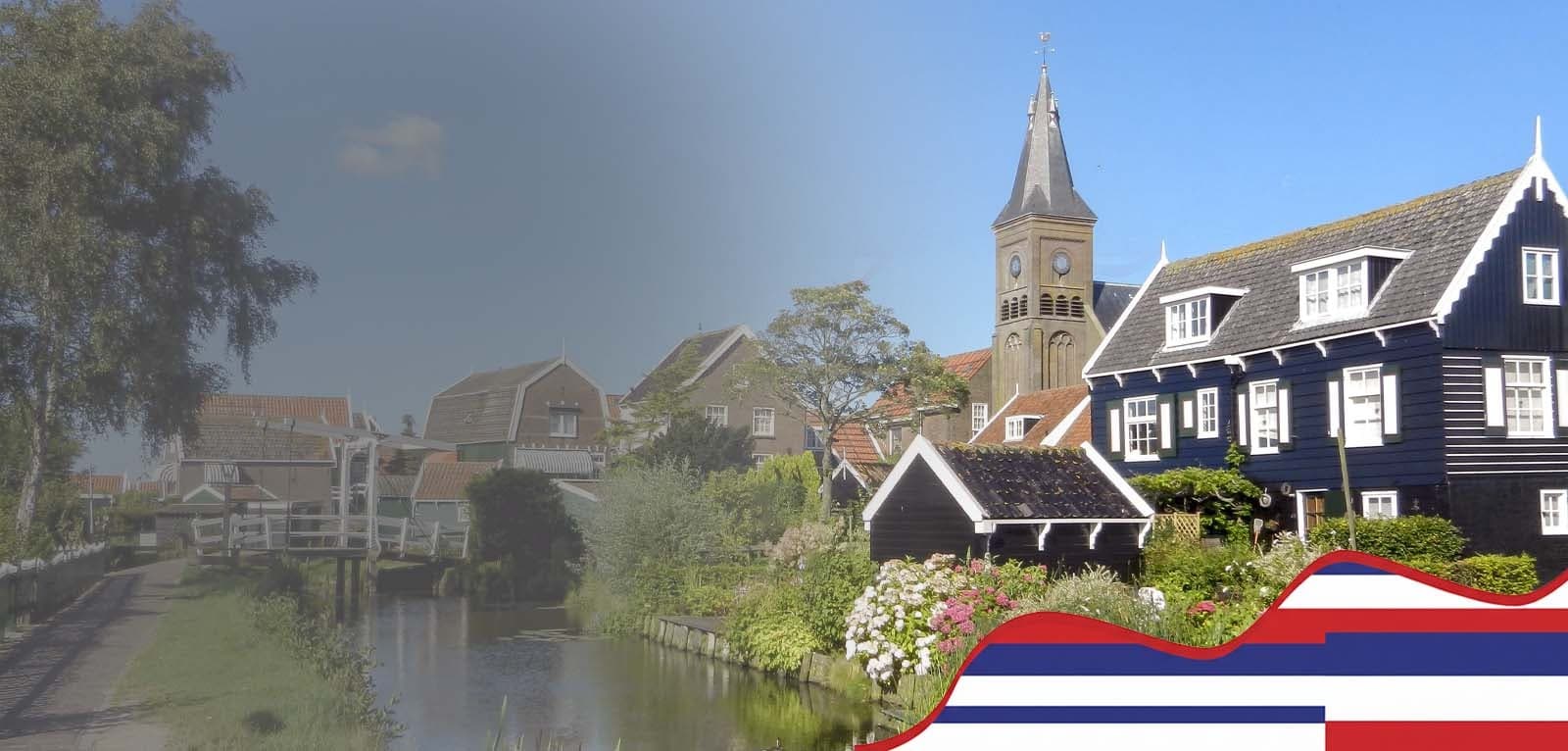
Studying in the Netherlands offers numerous benefits for Bangladeshi students. Dutch universities provide high-quality education with a broad selection of undergraduate and postgraduate programs. The country is known for its excellent academic standards, which are globally recognized, opening doors for international career opportunities. Tuition fees in the Netherlands are generally more affordable compared to other countries, making it an attractive option for students looking for cost-effective education. Graduates also have access to strong job opportunities, as the Netherlands has a stable economy and high demand for skilled workers. Additionally, the country offers a high quality of life, with a safe environment, modern infrastructure, and a variety of leisure activities. Studying in the Netherlands also provides easy access to the rest of Europe, giving students the chance to travel and experience different cultures while pursuing their studies.
Study in Netherlands: A Complete Guide
Requirements, costs, intakes and work opportunities for Bangladeshi students.
Jump to a section
Why would Bangladeshi students study in the Netherlands?
The Netherlands offers a wide range of English-taught programmes, high-quality practical and research-based education, and excellent opportunities in fields such as Business, Engineering, IT, Data Science, and Logistics. Its strong university-industry connections, multicultural environment, strategic European location, and favourable graduate employment prospects make it an attractive destination for international students.
Top 5 reasons to study in Netherlands
- 1Applied/practical education
- 2Strong research universities
- 3Excellent technology and innovation ecosystem
- 4International business environment
- 51-year Orientation Year after graduation for eligible graduates
Top Courses in Netherlands
Requirements to Study in Netherlands
Language Requirements
For English-taught programmes, students generally need to demonstrate English proficiency. Commonly accepted tests include IELTS, TOEFL iBT, Pearson/PTE and Cambridge English. Exact scores vary by university and programme.
IELTS Academic
6.0–7.0+
TOEFL iBT
80–100+
PTE Academic
55–70+
Cambridge English
B2 First / C1 Advanced / C2 Proficiency
Academic Requirements
Academic requirements depend on the study level, chosen programme, and university. Dutch institutions determine their own admission requirements and may assess international qualifications against Dutch standards.
Undergraduate Programmes
- Completion of Higher Secondary School / equivalent qualification
- Academic certificates and transcripts
- Meeting the university's minimum academic requirements
- Required subject prerequisites, where applicable
- English language proficiency
Postgraduate Programmes
- A recognized Bachelor's degree or equivalent qualification
- Undergraduate transcripts and academic records
- Relevant academic background
- Meeting the programme's minimum GPA/academic requirements
- CV, SOP and recommendation letters may be required
Visa Requirements
Bangladeshi students planning to study in the Netherlands for more than 90 days generally need an MVV (long-stay entry visa) and a student residence permit.
Required documents generally include:
- Admission Letter
- Valid Passport
- Proof of Funds
- Tuition Fees
- Academic Documents
- Health Insurance
- Biometrics
- MVV & Residence Permit
Intakes to Study in Netherlands
September Intake
Main intake.
February Intake
Available for selected programmes.
Cost of Studying in Netherlands
Tuition Fees
For non-EU/EEA students, average tuition is approximately:
Bachelor’s
€9,000 – €20,000 per year
Master’s
€12,000 – €30,000 per year
Living Cost
International students in the Netherlands typically spend around €1,000–€1,500 per month on living expenses.
Monthly living expenses
€1,000 – €1,500
Partner Universities in the Netherlands
Post-Study Work Opportunities in Netherlands
One of the strongest advantages is the Orientation Year residence permit. Eligible non-EEA graduates can stay for one year to look for employment or start a business, with free access to the Dutch labour market during that period.
Still confused?
Ask us anything about studying in Netherlands. Share your details and our counsellors will get back to you.
It only takes a minute. We’ll contact you with answers and the next steps.